
Cost of Living in Qatar 2026: What It Actually Costs to Live in Doha

If you are weighing a job offer or planning a family move, the cost of living in Qatar is the first thing you should model with real numbers. This guide breaks down rent neighborhood by neighborhood, groceries, transport, utilities, healthcare, schooling and childcare using 2026 figures, then builds three sample monthly budgets. It is written for expats arriving on a work visa and for families comparing salary packages.
The cost of living in Qatar at a glance
Rent is the line item that decides your budget. Everything else is manageable if housing is sorted. Here are realistic monthly ranges for 2026, before we dig into the detail.
Two facts reshape the math for newcomers. Qatar charges zero personal income tax, and VAT has not been implemented, so a QAR 15,000 salary is QAR 15,000 take home. The legal minimum wage is QAR 1,000 per month, with a QAR 500 accommodation allowance and QAR 300 food allowance when the employer does not provide them.
Rent in Qatar 2026: neighborhood by neighborhood
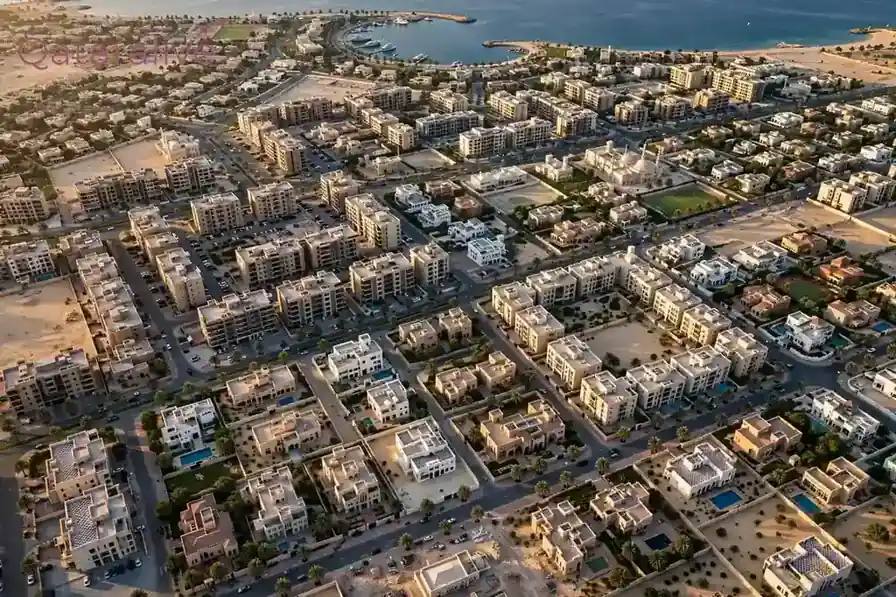
Housing is the single biggest variable in the cost of living in Qatar, and the gap between areas is enormous. All figures below are monthly estimates from 2026 listings and market guides, and they vary with building age, furnishing and view.
Most landlords ask for one month security deposit plus agency fees, and utilities are usually not included. Before you sign anything, read our Qatar New Rental Law 2026 and Renting an Apartment in Qatar: Tenancy Contracts, Deposits and Rights.
West Bay
West Bay is the central business district, full of corporate towers and serviced residences. A one-bedroom apartment typically runs QAR 6,900 to QAR 10,000 per month. You pay for the short commute and the premium address.
The Pearl
The Pearl is Qatar most expensive residential address, with marina promenades, beach clubs and walkable dining. Studios start around QAR 4,750, one-bedrooms run QAR 6,900 to QAR 10,000, and large three-bedroom units can reach QAR 38,000 per month.
Lusail
Lusail is the newest large residential city, popular with families for its modern towers and newer infrastructure. Studios start around QAR 5,000 and three-bedroom apartments run QAR 7,000 to QAR 19,000 per month. It often gives more space per riyal than central Doha.
Al Sadd and Bin Mahmoud
Al Sadd and Bin Mahmoud are the practical mid-range choice for most working expats. One-bedroom apartments run QAR 4,000 to QAR 6,000 per month, with good metro access and supermarkets nearby.
Msheireb
Msheireb splits into two markets. New furnished one-bedrooms in Msheireb Downtown Doha run QAR 8,415 to QAR 9,850 per month, often with bills included and no commission. Older buildings in the wider Musheireb area run QAR 3,000 to QAR 4,150 per month for similar space.
Al Rayyan
Al Rayyan suits families, especially those near Education City. Two-bedroom apartments run roughly QAR 3,500 to QAR 9,000 per month, with the average around QAR 4,450 in areas like Muaither. Compound units with gyms and pools sit at the top of the range.
Al Wakrah
Al Wakrah is the budget beachside option about 20 km south of Doha. Studios run around QAR 2,000 and one-bedrooms run QAR 2,550 to QAR 4,000 per month. It suits people working near Hamad International Airport or southern Doha, and a car is usually needed.
Budget central pockets: Fereej Abdul Aziz and Mansoura
Older central neighborhoods offer the cheapest city-center rents. Unfurnished one-bedrooms appear from around QAR 2,800 per month, sometimes with no agency fee. Buildings are older and parking can be tight, so inspect before you commit.
The upfront cash nobody warns you about
Leases are typically annual, often paid in 12 cheques. A real expat report from the PPRuNe forum puts the move-in reality at around QAR 30,000 cash for a QAR 12,000 per month two-bedroom: first month, one month deposit, and agency fees of half to one month rent. Always ask to see recent utility bills and confirm exactly which services are included before signing.
Food and groceries in Qatar 2026
Groceries are reasonable if you cook at home and shop local brands. Typical 2026 supermarket prices: milk 1 litre QAR 7, bread 500g QAR 5.50, eggs a dozen QAR 9 to 13, chicken breast 1 kg QAR 18, apples 1 kg QAR 8, rice 1 kg around QAR 7.90, tomatoes 1 kg around QAR 5.80.
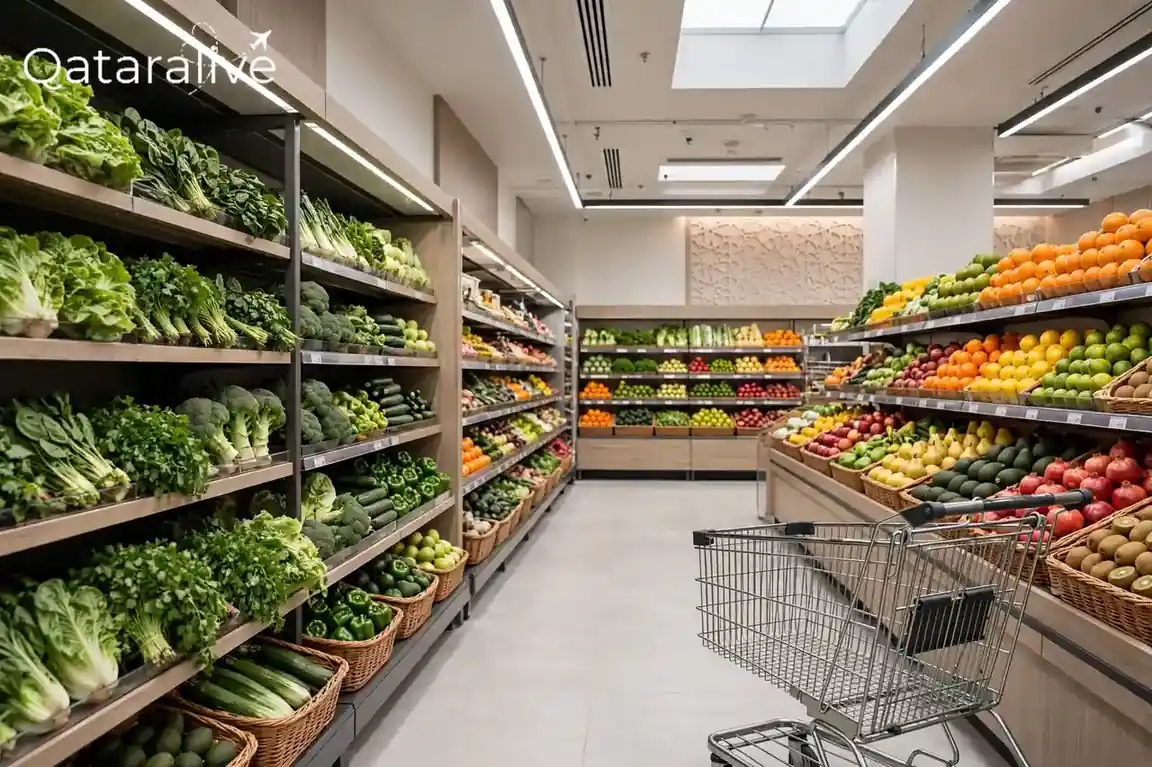
Monthly grocery estimates: single person QAR 800 to QAR 1,400, couple QAR 1,200 to QAR 2,000, family of four QAR 2,000 to QAR 3,500. Eating out spans a local cafeteria meal at QAR 18 to 50, a McDonald meal around QAR 30, and a mid-range dinner for two around QAR 200.
Carrefour, Lulu Hypermarket and Al Meera cover most weekly shops, and the central wholesale market runs 20 to 40 percent cheaper for fresh produce. Shopping at the central wholesale market is the fastest way to pull grocery spending, the most flexible part of the cost of living in Qatar, back under QAR 1,000 a month for a single person.
Utilities in Qatar 2026
Air conditioning runs most of the year, so electricity is the utility to watch. Kahramaa bills for an 85 sqm apartment typically fall between QAR 200 and QAR 600 per month. Residents on r/qatar and expat forums report QAR 700 to QAR 1,000 once district cooling is included, which matches the PPRuNe signal of QAR 800 to QAR 1,000 per month.
Home broadband runs QAR 250 to QAR 350 per month, and a mobile plan with generous data runs around QAR 100 to QAR 150. Cleaning help costs around QAR 39 per hour.
If your package includes a housing allowance, check whether it covers utilities too, because that can remove this whole line from your budget. This is the part of the cost of living in Qatar that newcomers consistently underestimate.
Transport: Karwa, metro, and car costs
The Doha Metro is modern, air conditioned and genuinely useful along its main lines. A single trip costs QAR 2 and a 30-day standard pass costs QAR 99. Metrolink feeder buses from metro stations are free, and the promo code RAIL gives 20 percent off the Karwa leg of a metro journey.
Karwa taxis are metered and government regulated. The meter starts at QAR 7 including the first 1.8 km, then QAR 1.60 per km by day and QAR 1.90 per km at night.
Airport pickups start at QAR 25, with airport to West Bay typically QAR 40 to QAR 60. Uber minimum fare is around QAR 8 and prices are estimated in the app before you book.
Car ownership changes the budget significantly. QatarEnergy set October 2026 pump prices at QAR 1.95 per litre for Premium 91, QAR 2.10 for Super 95, and QAR 2.05 for diesel, with prices announced monthly.
Annual car insurance runs QAR 2,000 to QAR 5,000 depending on the vehicle and coverage, and parking is mostly free outside premium areas. For the full numbers on purchase prices, registration and running costs, see Buying a Car in Qatar: Complete Expat Guide 2026.

Car-free living is realistic in central Doha or near metro lines, and residents on community forums confirm this. For Lusail, Al Wakrah or outer areas, a car is close to essential. If you want to cut the cost of living in Qatar without touching your rent, transport is the lever: metro over daily taxis, and gentle driving if you own a car.
Healthcare in Qatar 2026
Every resident with a valid QID can apply for the public health card, which costs QR 100 per year for expatriate residents according to the Primary Health Care Corporation service manual. The card gives access to subsidized GP consultations, treatment and prescriptions at government pharmacies through 30 PHCC health centers. Your QID number is now used to verify your registration at Hamad Medical Corporation and PHCC facilities.
Health insurance is effectively mandatory for expats. A basic policy can start around QAR 50 per month for emergency cover, while comprehensive private cover runs QAR 500 to QAR 1,200 per month depending on the network and benefits. Most employer packages include health insurance, so confirm the coverage level during salary negotiation rather than after you arrive.
Schooling and childcare
School fees are the expense that catches families off guard. Qatar public schools are free for Qatari nationals, so nearly all expat children attend private international schools. Annual fees per child run QAR 20,000 to QAR 80,000 or more, with mid-range British, American and IB schools at QAR 40,000 to QAR 55,000 and premium schools at QAR 60,000 to QAR 70,000.
For two children at mid-range schools, that means QAR 80,000 to QAR 110,000 per year, or roughly QAR 6,700 to QAR 9,200 per month. Many corporate and oil and gas packages include an education allowance, which is worth negotiating before you sign. Compare British curriculum options and fee bands in Best British Schools in Doha: Fees and Admissions 2026.
A full-time nanny averages around QAR 2,038 per month as an estimate, with part-time help common for working parents.
Sample monthly budgets: what it really looks like
These are 2026 estimates built from the figures above. The three scenarios show the cost of living in Qatar at three household sizes, so treat them as planning ranges, not promises.
Single expat: practical budget in Al Sadd
Couple: comfortable budget in Al Rayyan
Family of four: two children at international school
Hidden costs expats forget
The costs above are the planned ones. The surprises usually come from move-in cash, summer electricity peaks when the AC never stops, and school re-enrolment and transport fees on top of tuition. Annual flights home are standard in many packages but not all, so negotiate them upfront.
Visa, medical and QID costs are often employer covered, but confirm this in writing. If you take an unfurnished flat to save on rent, factor in furnishing costs, which can easily reach several months of rent in the first year. These extras are how the cost of living in Qatar quietly climbs above the brochure number.
For most skilled professionals, the cost of living in Qatar is manageable and often leaves more savings than a taxed salary at home. The strategy is simple: keep rent in check by choosing Al Sadd, Lusail or Al Rayyan over The Pearl or West Bay, cook most meals at home, and use the metro where it reaches.
Is Qatar worth it financially in 2026?
The decisive moment is the job offer, not the arrival. Housing allowance, school fees, health insurance, annual flights and car allowance are standard components of a competitive Qatar package. Model your own budget with the figures in this guide, then negotiate the package around them.