MoPH announces Hajj 1447H/2026 Vaccination Requirements
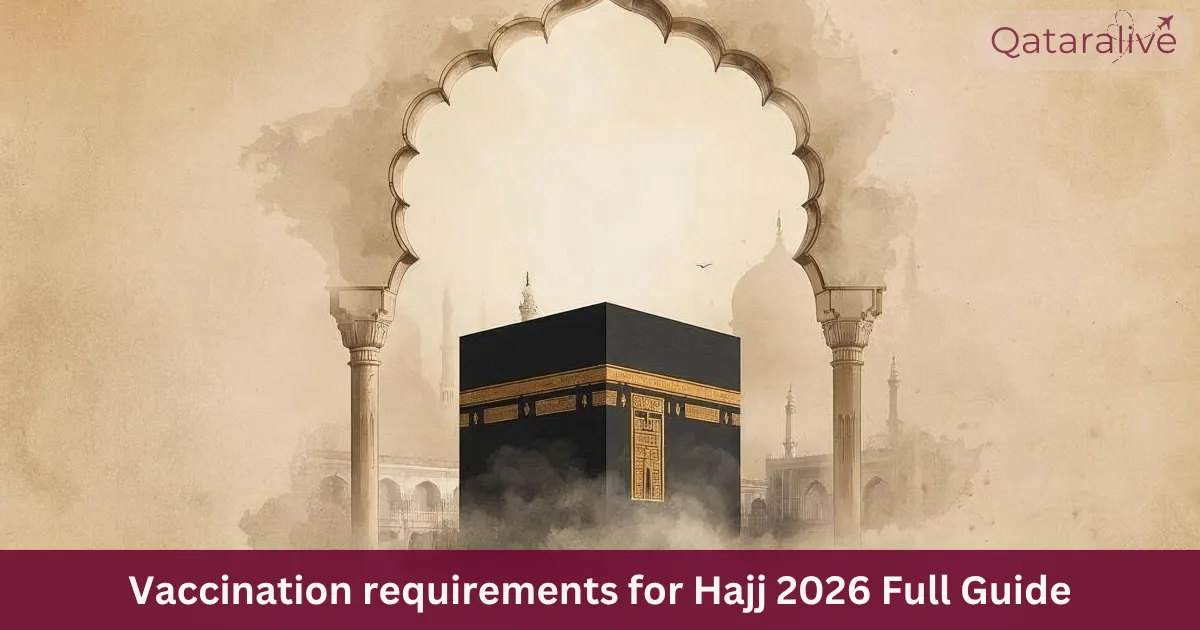
The Ministry of Public Health has announced the official vaccination requirements for Hajj 1447H (2026) to ensure the safety and well-being of pilgrims. As millions of people gather in Saudi Arabia for this significant religious journey, preventive healthcare measures remain essential to minimize the risk of infectious diseases.
Mandatory Vaccines for Hajj 2026
Meningococcal Vaccine (ACYW-135)
All pilgrims are required to receive the quadrivalent meningococcal vaccine (ACYW-135). This vaccine protects against meningitis, a serious and potentially life-threatening infection that can spread in crowded environments.
The vaccine must be administered at least 10 days before travel, and an official vaccination certificate is required for entry into Saudi Arabia.
Qatar residents can enter Saudia by crossing Abu Samra Border.
COVID-19 Vaccination Requirements
COVID-19 vaccination is mandatory for individuals who fall under high-risk categories. This includes older adults, pregnant women, and individuals with chronic medical conditions such as heart disease, respiratory illnesses, kidney disorders, blood-related conditions, cancer, or weakened immune systems.
While not compulsory for all, vaccination is strongly recommended for adults to enhance protection during the pilgrimage.
Check Eid ul adha public holidays.
Recommended Vaccines for Hajj 2026
Seasonal Influenza Vaccine
The seasonal influenza vaccine is recommended for all pilgrims. Due to the high density of people during Hajj, respiratory infections can spread quickly, making flu vaccination an important preventive measure.
Pneumococcal Vaccine
This vaccine is advised for older adults and individuals with chronic health conditions. It provides protection against pneumonia and other serious infections affecting the lungs.
RSV Vaccine
The respiratory syncytial virus (RSV) vaccine is recommended for individuals aged 60 years and above. It helps reduce the risk of severe respiratory illness.
Additional Vaccines Based on Travel History
Certain vaccinations may be required depending on the pilgrim’s country of origin or travel history. These may include the polio vaccine for travelers from affected regions and the yellow fever vaccine for individuals arriving from countries where the disease is prevalent.
Hajj Vaccination Centers for 2026 (Qatar)
For Hajj 2026, all required and recommended vaccines are provided through government-approved healthcare facilities in Qatar. The primary provider is the national public healthcare system.
Main Government Centers
Primary Health Care Corporation
This is the main and official provider for Hajj vaccinations in Qatar.
PHCC centers are widely accessible, making them the primary destination for pilgrims.
Private Vaccination Centers
American Hospital Clinics
Private healthcare providers are available as an alternative option.
Private clinics can be useful for those who prefer quicker appointments or additional flexibility.
Requirements Before Visiting
Get Visa free entry to Qatar.
Vaccination Timeline and Documentation
Pilgrims should ensure that all required vaccines are taken at least 10 days prior to departure. It is essential to carry valid vaccination certificates, as these may be requested during travel and upon arrival.
Health Guidelines for Pilgrims
Pilgrims are encouraged to consult a healthcare professional before travel, especially if they have pre-existing medical conditions. Carrying sufficient medication, maintaining personal hygiene, staying hydrated, and avoiding unnecessary exposure to crowded areas when possible are important measures for a safe pilgrimage.
Importance of Vaccination for Hajj
Hajj involves large gatherings, which increases the risk of disease transmission. Vaccination plays a critical role in preventing outbreaks and protecting both individual pilgrims and the wider community.