Qatar Fuel Prices January 2026: Regional Market Divergence Explained
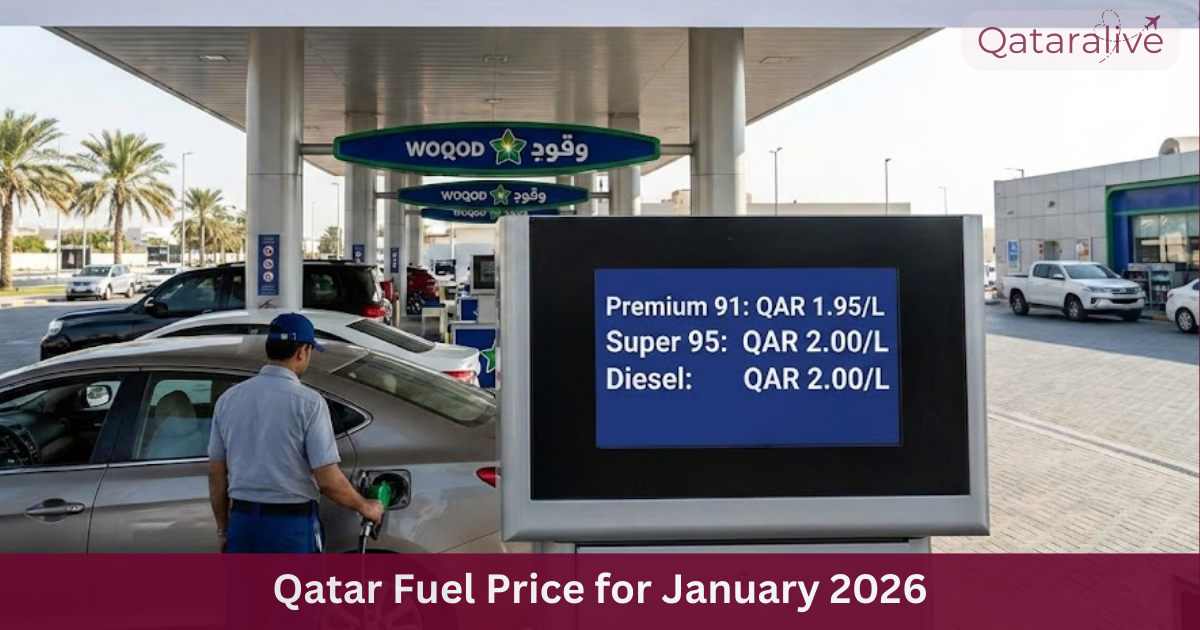
QatarEnergy lowered retail fuel prices for January 2026 to provide more affordable costs for motorists at the start of the year. The Qatar News Agency confirmed these adjustments on 31 December 2025.
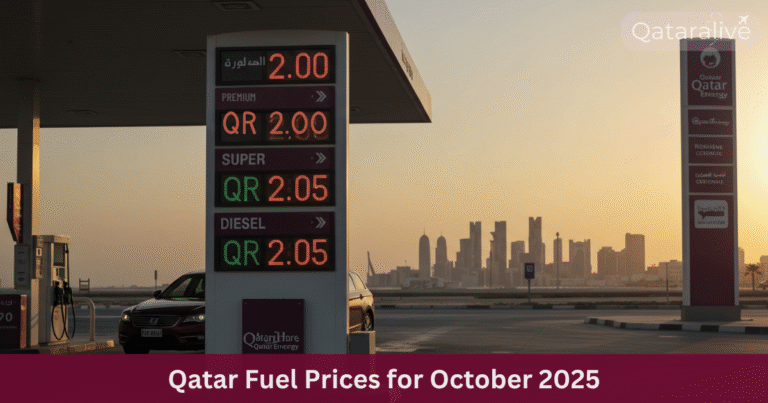
Under the new pricing schedule, Premium petrol (91) costs QAR 1.95 per litre. Both Super petrol (95) and Diesel now cost QAR 2.00 per litre. These reductions reflect a regular review of global oil market trends and domestic pricing policies.
Qatar Fuel Prices January 2026: Official Woqod Rates
Drivers in Qatar will see immediate savings at the pump this month. The price for Premium petrol dropped from QAR 2.00 to QAR 1.95 per litre. This reduction provides relief for daily commuters and small vehicle owners across the country.
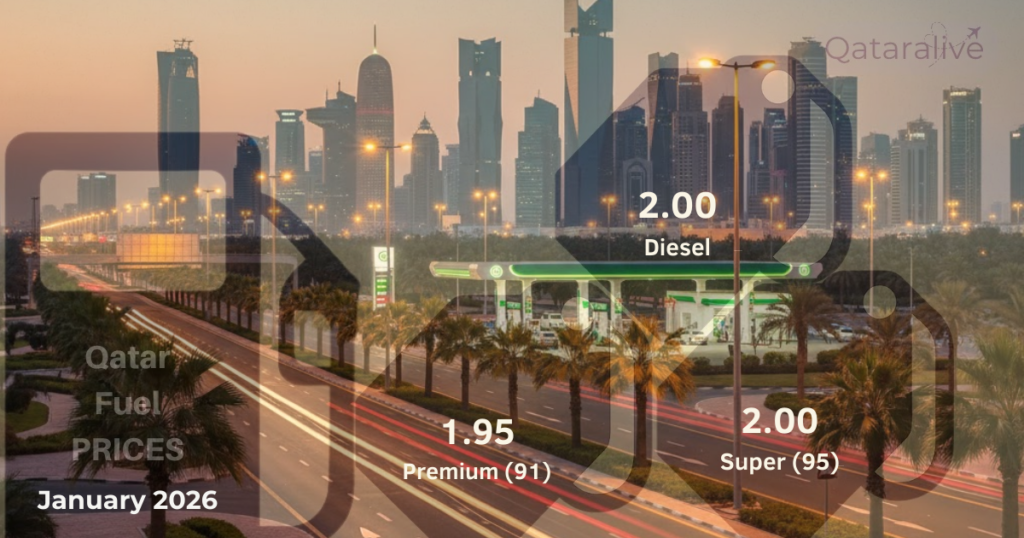
Super petrol prices also saw a significant adjustment for the new year. The rate moved from its previous level to a flat QAR 2.00 per litre. This makes high-performance fuel more accessible for the local market.
Diesel rates followed the downward trend for January as per QatarEnergy. The cost is now set at QAR 2.00 per litre, down from the December rate of QAR 2.05. This move supports local industries and reduces operational costs for transport companies.
January 2026 Regional Fuel Price Comparison
| Country | Fuel Type | January 2026 Rate | Status |
| Qatar | Diesel | QAR 2.00 | Confirmed |
| Saudi Arabia | Diesel (Retail) | SR 1.79 | Confirmed |
| Saudi Arabia | Diesel (Industrial) | SAR 2.20 | Notified |
| UAE | Diesel | AED 2.55 | Confirmed |
| Kuwait | Diesel | 115 Fils | Fixed Q1 |
Saudi Arabia Diesel Hike: The 2026 Regional Shift
While Qatar reduces costs, diesel prices in Saudi Arabia are trending upward. Saudi Aramco officially increased retail diesel prices by 7.8 percent to SR 1.79 per litre. This change is part of an annual review to align domestic energy costs with global benchmarks.
Industrial sectors in the Kingdom face even steeper adjustments. Some companies received notifications of rates reaching up to SAR 2.20 per litre for specific commercial uses. This creates a significant price gap between the two neighboring markets.
Fleet operators must prepare for higher operational expenses in Saudi Arabia even as Qatar provides relief. The divergence requires immediate updates to regional business budgets and shipping contracts. These shifts signal a definitive move toward energy subsidy reforms in the Kingdom.
Impact on GCC Logistics and Middle East Trade Lanes
The anticipated price hike in Saudi Arabia will directly impact transportation costs across GCC and Middle East trade lanes. Logistics providers must perform mandatory revisions of all previous transportation rates to maintain viable operations. These changes ensure that shipping contracts align with the new fuel pricing structure for the coming year.
This divergence means cross-border haulage will face different cost pressures depending on where vehicles refuel. Qatar’s lower diesel rates may benefit local fleet operators during the start of the year. However, the higher costs in the Kingdom will likely influence broader regional shipping expenses.
Official Status and Market Confirmation for 2026 Rates
The fuel prices for Qatar are confirmed and published by official state media outlets. In contrast, the 35% increase for Saudi Arabia remains subject to official confirmation from the competent authority. Stakeholders currently await final verification for the Saudi diesel rates.
To understand these shifts, imagine two neighbouring shops where one lowers its delivery fees while the other significantly raises them. Even if you only shop at the first one, the second shop’s price hike will eventually change how much it costs for every supplier to bring goods to the entire street.